
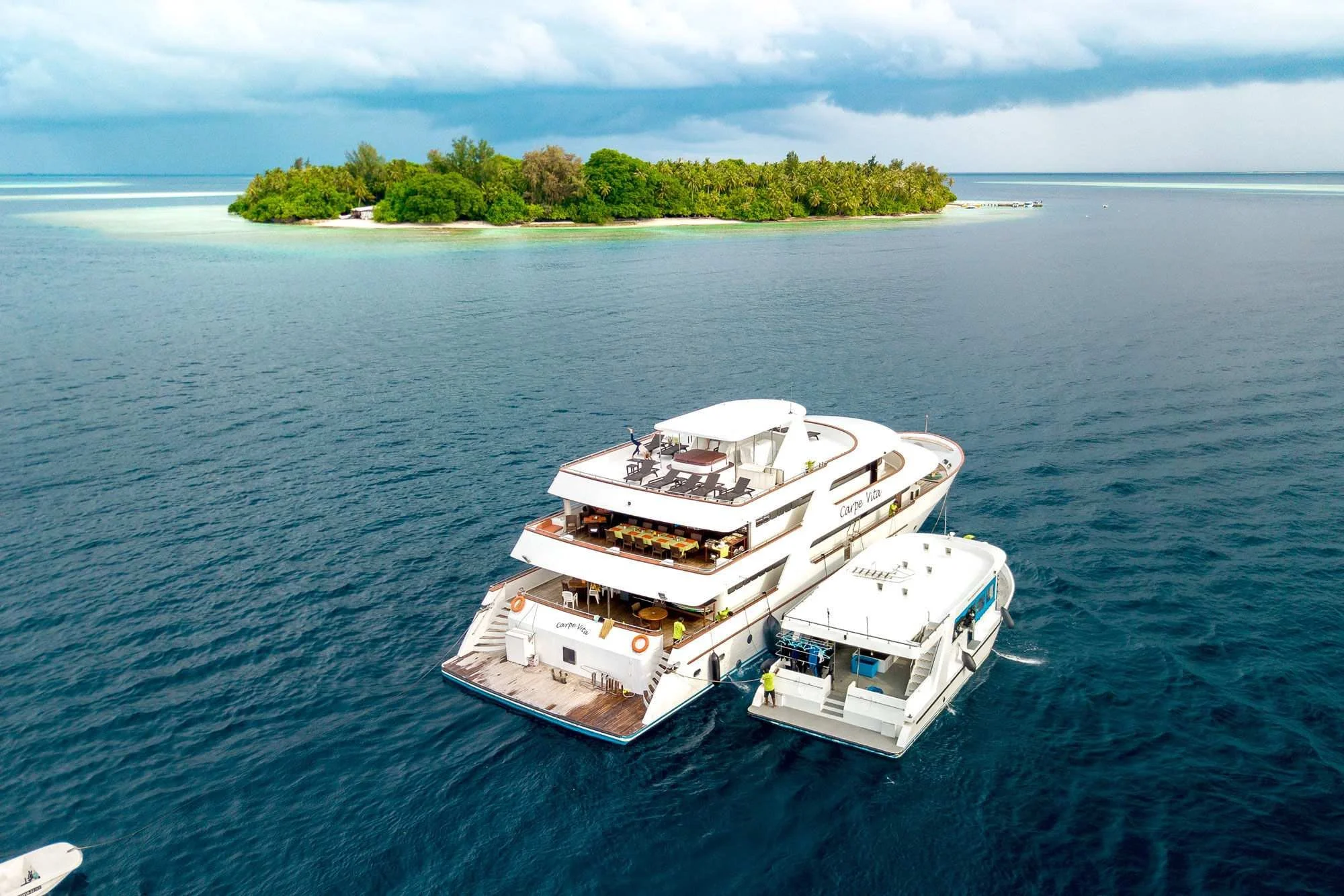
Most Maldives liveaboards run the same central-atoll circuit, and it is a fine trip. But ask crews where they would dive on their week off and one answer keeps coming back: the deep south. The route through Huvadhu Atoll and on toward Fuvahmulah trades resort-belt convenience for empty channels, bigger animals, and the closest thing the Maldives still has to frontier diving.
This guide explains how liveaboard routes differ, what a southern itinerary actually looks like, and how to decide if it is your trip.
How Maldives liveaboard routes work
Liveaboards here sell by route, not just by boat. The classic central route loops the atolls near Malé: easy logistics, famous sites, and the most boat traffic. Far north routes chase quieter reefs. And deep south itineraries, usually run in a limited season, push through the southern atolls, with Huvadhu as the heart of the diving. Because the south sits near the equator, these trips often start or end with a domestic flight rather than sailing the whole way from Malé; boats reposition for the season and guests fly in to meet them.
The rhythm on board is the same everywhere: three to four dives a day, early starts, channel dives timed to the tide. What changes in the south is what comes through those channels.
What you dive in the deep south
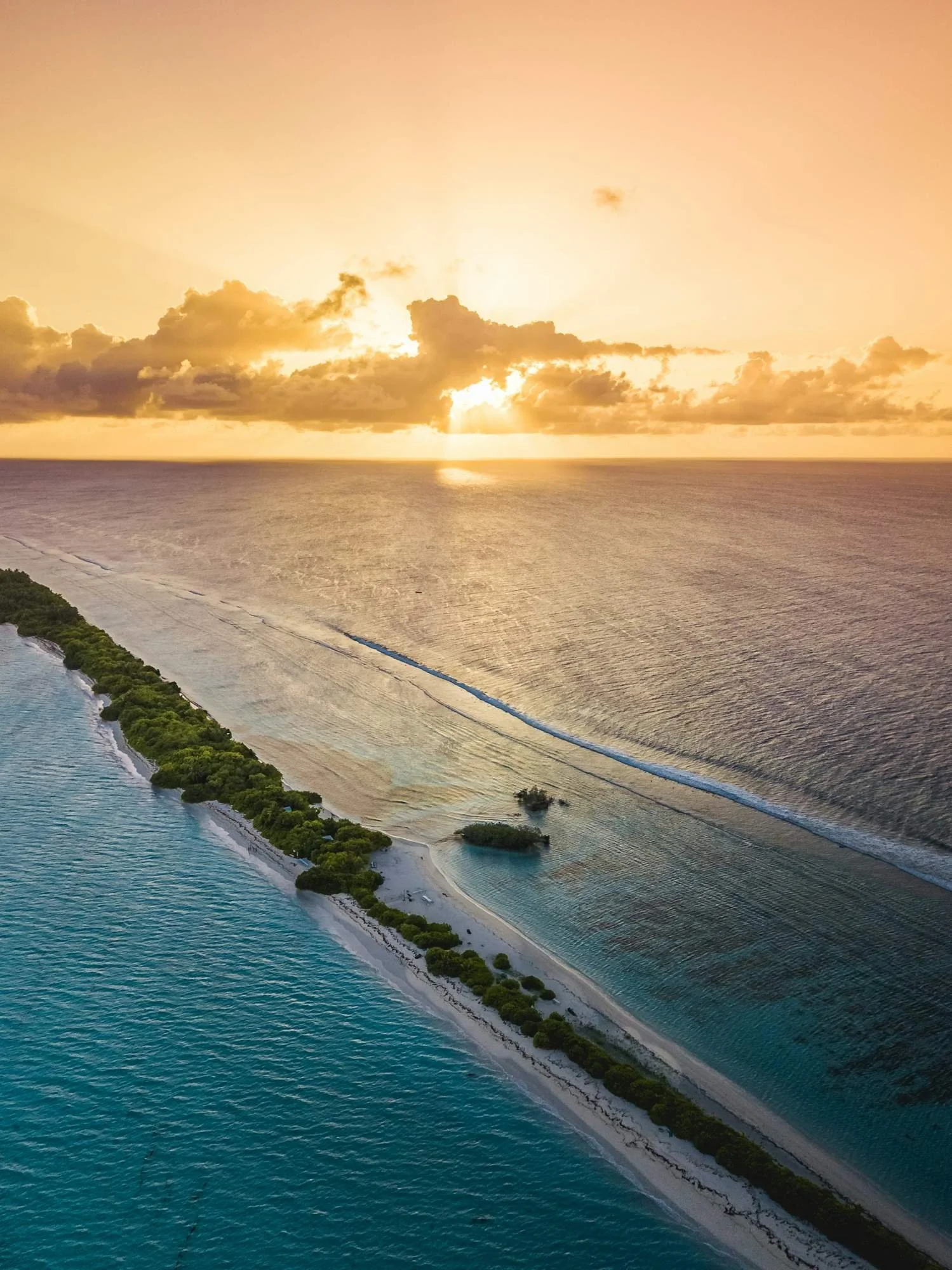
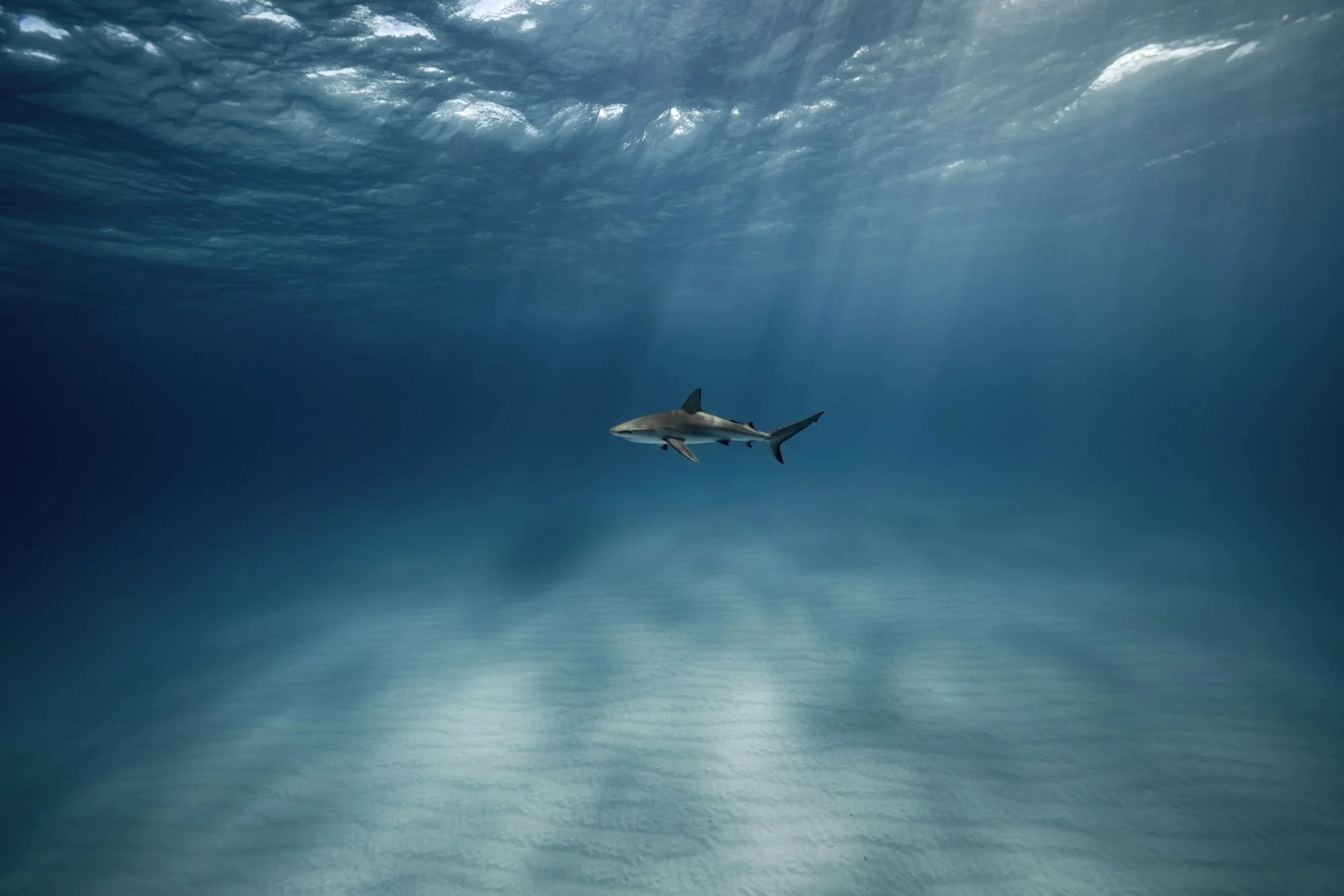
Huvadhu's kandus, the channels that cut its enormous rim, are the main event. On an incoming tide they run clear and fast, and grey reef sharks stack in the current alongside eagle rays, barracuda and dog-tooth tuna. Outer walls drop steeply, hard coral remains in a state most of the Indian Ocean has lost, and manta cleaning stations dot the channel mouths. The full site-level detail is in our deep south shark diving guide.
Many southern itineraries finish at Fuvahmulah, the oceanic island south of Huvadhu that has become one of the world's most reliable tiger shark destinations. Pairing the two is the strongest week of shark diving the Maldives offers; we cover the combination in our Fuvahmulah and Huvadhu guide.
When the route runs
The deep south liveaboard season concentrates in the northeast monsoon, roughly January to April, when seas are calm and channel visibility peaks. Shoulder months extend it either side. Outside the season, the same reefs remain divable from land year-round through local operators; the trade-offs by month are in our best time to dive guide.
Cost and choosing a boat
Expect roughly USD 200 to 400 per person per night on most boats, diving included, with luxury vessels above that; a southern week typically lands between USD 1,800 and 3,000 before flights. Three things matter more than the cabin photos. First, group size per dive guide, smaller is better in current. Second, whether nitrox is included, it is worth it on repetitive channel dives. Third, the domestic flight logistics: a good operator arranges the Malé connection to the southern airports for you, the same hops described in Getting Here.
Most southern itineraries ask for an advanced certification or a logged history of drift diving. The channels are the reason the trip exists, and they are not the place for a first taste of current.
Liveaboard or land based?
Honest answer: the deep south is one of the few places in the Maldives where land-based diving competes with a boat. A liveaboard wins on dive volume and covers more of the atoll in a week. A guesthouse or resort stay in Huvadhu wins on cost, on season flexibility, and on actually meeting the place, its islands and its people rather than only its reefs. Many divers do both across two trips: liveaboard first for the greatest hits, land based second because they cannot stay away.
Frequently asked questions
Which Maldives liveaboard route is best? For first-timers, the central route is convenient and impressive. For divers chasing sharks, mantas and empty sites, the deep south route through Huvadhu Atoll is the strongest itinerary in the country, in a January to April season.
How much does a Maldives liveaboard cost? Most boats run USD 200 to 400 per person per night with diving included. A seven-night deep south trip typically totals USD 1,800 to 3,000 plus flights.
Do I need advanced certification for a deep south liveaboard? Most operators require advanced level or equivalent logged experience, because the signature channel dives run in current. Check the operator's stated requirement before booking.
Can you dive Huvadhu Atoll without a liveaboard? Yes. Local operators dive the atoll year-round from land, and outside the liveaboard season that is how the deep south is dived at all. See our guides to the atoll's diving and seasons for how to plan it.
How many dives per day on a liveaboard? Three is standard, often with a fourth night or dusk dive. Over a week that is twenty or more dives, which is the core of the value case against resort-based diving.
Huvadhu Atoll map: every dive site, surf break, resort and local island in one place.