
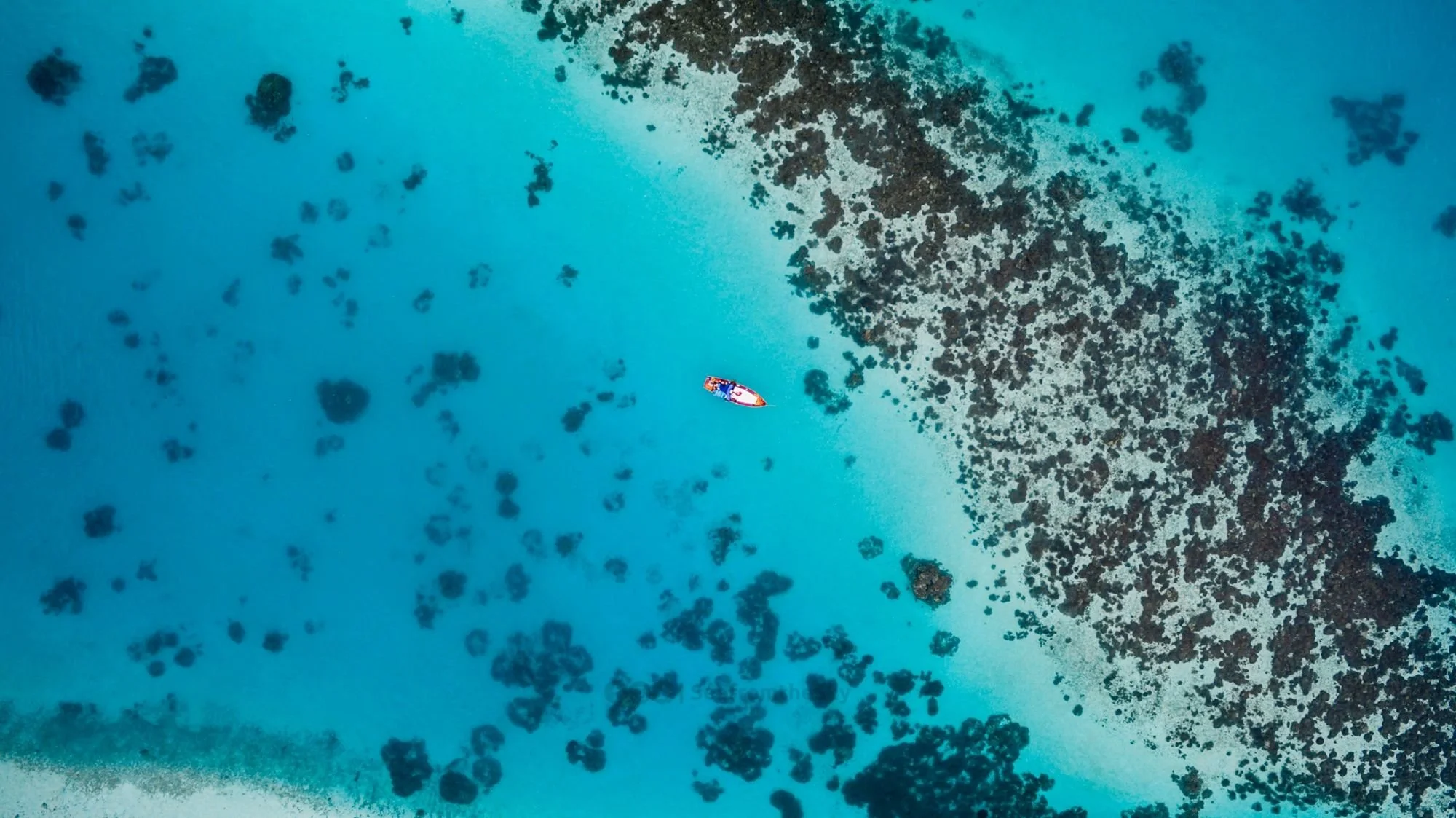
The short answer: November to May brings the calmest seas and the clearest water to Huvadhu Atoll, and it is the best time for most divers. But the Maldives' deep south breaks the usual rules. Plankton blooms are rarer here than in the central atolls, so visibility holds up well even in the wet season, whale sharks pass through all year, and the May to October months bring the plankton that draws feeding mantas. There is no bad month. There is only the right month for what you want to see.
If you have researched a Maldives dive trip, you have probably noticed the advice contradicts itself. One guide says December to April for visibility. Another says August to November for whale sharks and mantas. Both are talking about the central atolls, where seasonal plankton decides everything. Huvadhu Atoll sits in the far south, near the equator, and the calendar works differently here. This guide explains how.
The two seasons that shape everything
The Maldives has no summer and winter, only two monsoons. Locals call them iruvai and hulhangu, and every diving decision flows from them.
Iruvai, the northeast monsoon (December to April), is the dry season. Winds are light, seas are calm, and skies stay mostly clear. Currents flow in from the east, pushing clean oceanic water through the channels. This is when Huvadhu's famous passes, like Villingili Kandu, run at their clearest, and long boat rides to the outer channels are smooth and predictable.
Hulhangu, the southwest monsoon (May to November), brings more rain, stronger winds, and plankton-rich water flowing from the west. In the central atolls this cuts visibility noticeably. In the deep south the effect is gentler: blooms are less frequent this far from the busy central archipelago, so many days still deliver 20 metres or more. What the plankton does bring is food, and with food come the filter feeders.
The practical rule for Huvadhu: dive the eastern side of the atoll from December to April and favour the western side from May to November, and you will find clear water in either season.
Month by month in Huvadhu Atoll
December to February. Peak conditions. Calm crossings, 25 to 40 metre visibility on the channel dives, and reliable shark action as incoming currents sweep the eastern kandus. Grey reef and whitetip sharks stack up in the passes, with eagle rays and schooling barracuda above the coral. This is the season to book early; even in the Maldives' least developed atoll, the handful of operators fill up.
March to May. The sweet spot. Seas stay settled, the water is at its warmest, around 29 to 30 degrees, and the crowds of the festive season are gone. April and May sit on the seasonal turn, which often means the best of both worlds: dry-season clarity with the first plankton arriving to wake up the food chain.
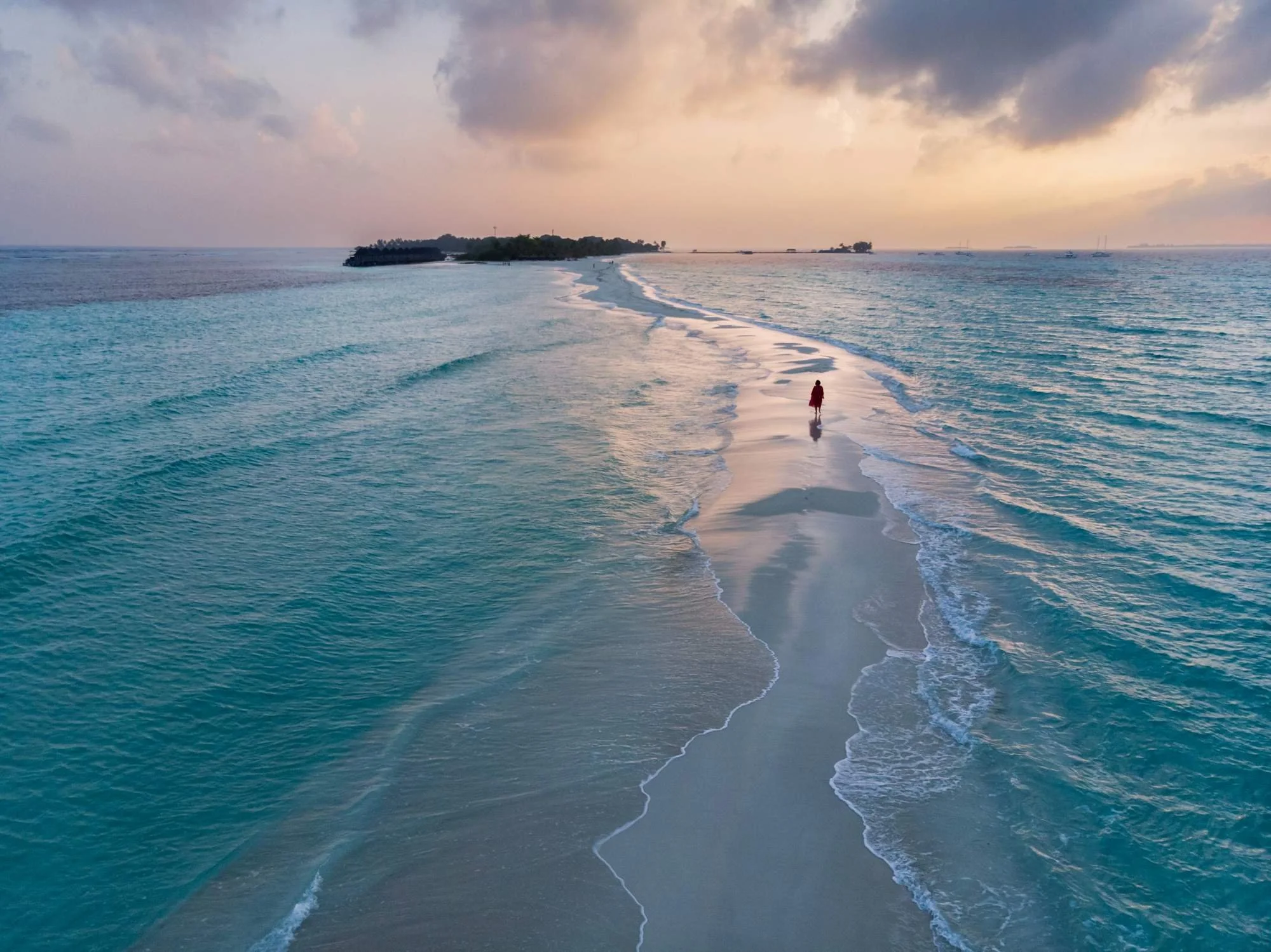
June to August. The hulhangu takes over. Expect passing showers, breezier afternoons and the occasional blown-out day, balanced by feeding season underwater. Mantas work the plankton lines, whale shark encounters tick up, and the reefs are at their liveliest. Surface intervals get moodier skies and emptier seas. Travellers who want the atoll almost to themselves choose these months, and this is also the heart of the surf season if you are pairing diving with waves.
September to November. The wet season winds down, and by November the seas are settling back toward dry-season calm. Plankton still lingers, so this window regularly produces the atoll's best big-animal odds before the eastern channels take over again in December. November is an underrated month: shoulder-season space with returning visibility.
When to see whale sharks in the deep south
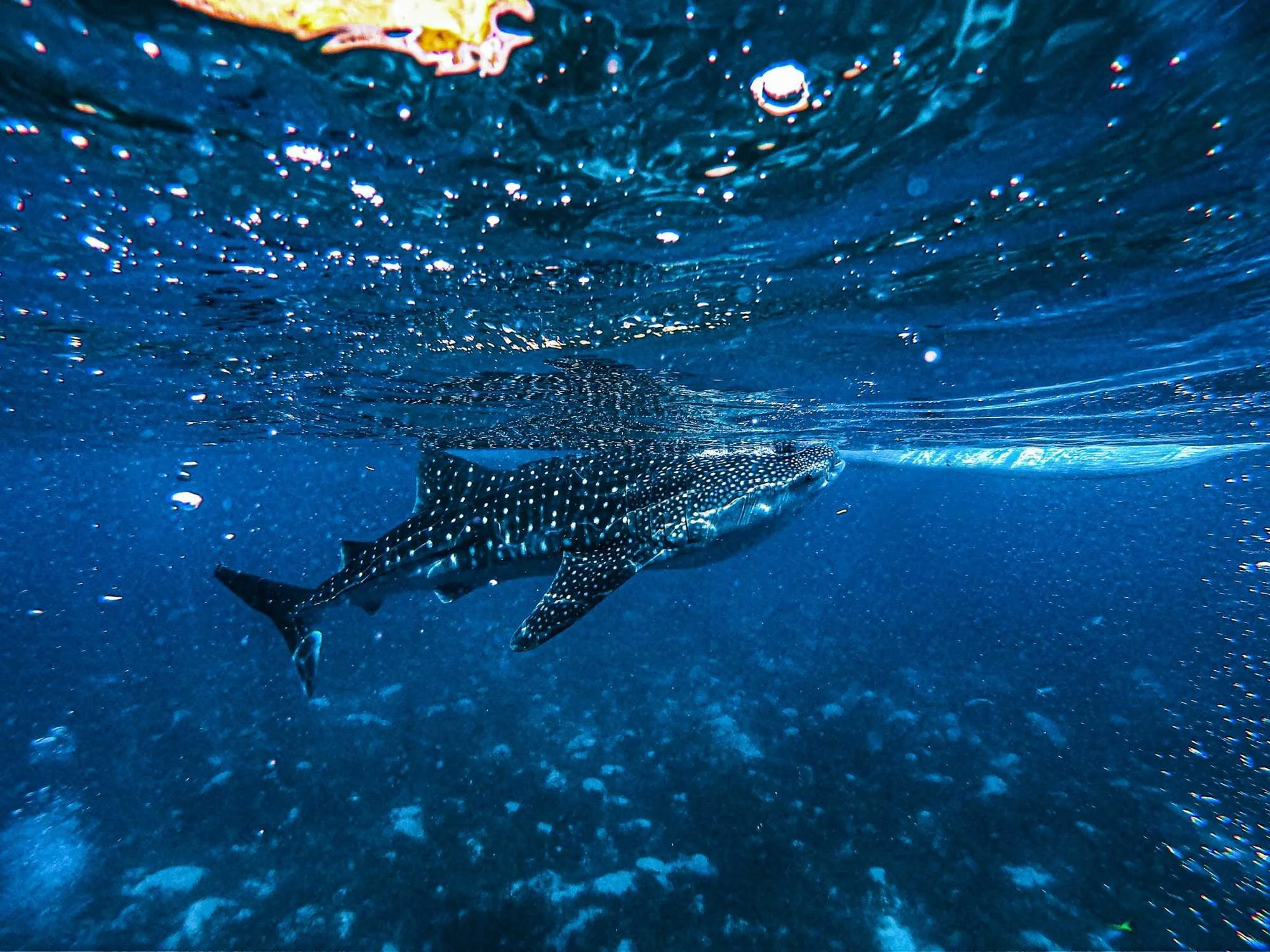
The often-quoted "whale shark season" of August to November applies to the central atolls, where the sharks follow seasonal plankton. In the southern Maldives, whale sharks are residents rather than visitors. They cruise the outer reefs and channels of Huvadhu year-round, with sightings reported in every month. The southwest monsoon months improve the odds, since feeding brings them shallower, but a December snorkeller can be as lucky as a July one. If a whale shark is the animal on your list, the honest advice is this: no month in Huvadhu rules it out. Our snorkelling guide covers where the encounters happen and how to do them responsibly.
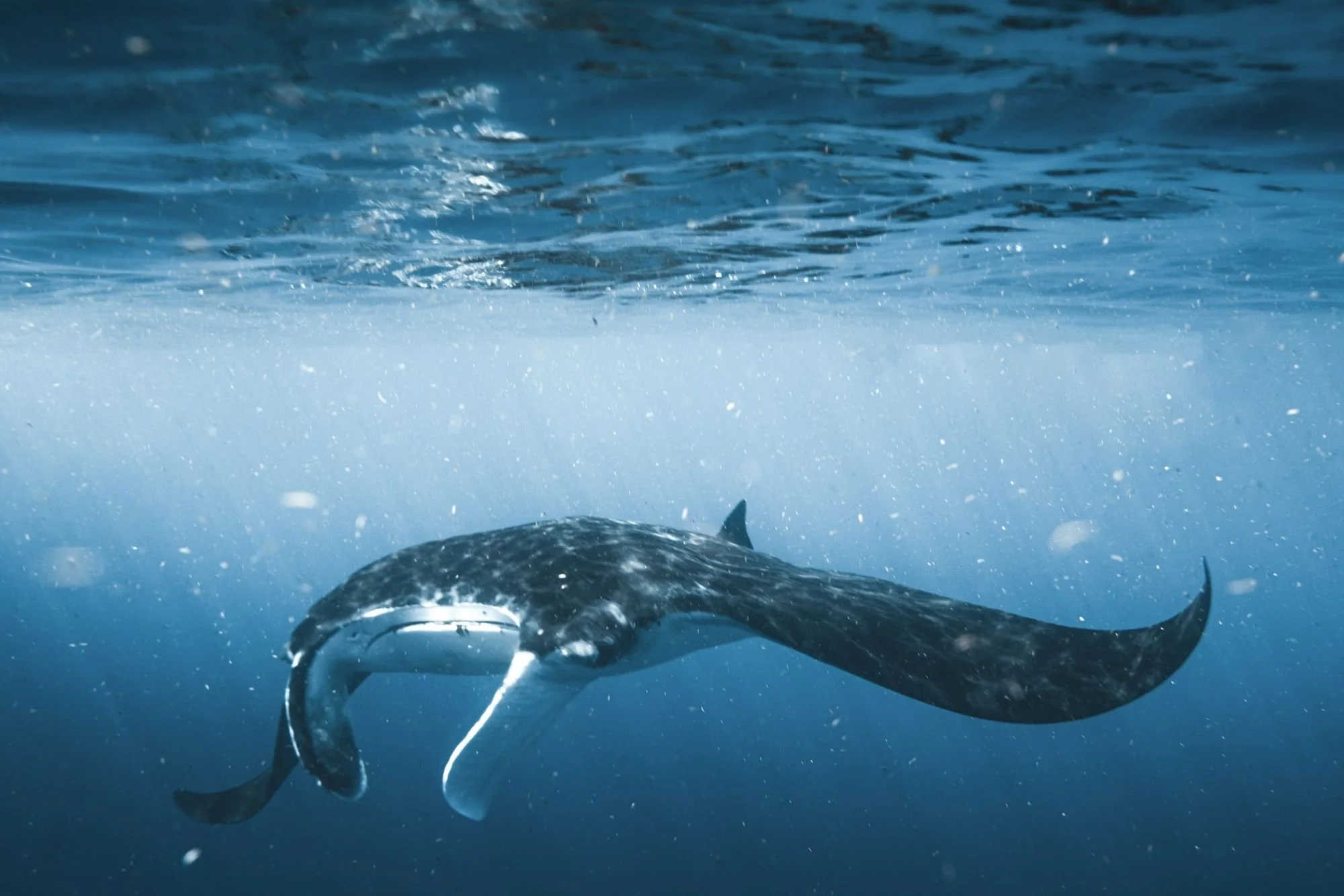
Manta ray season
Mantas follow the food. From May to November, plankton carried on the southwest monsoon draws them to cleaning stations and channel mouths on the atoll's western side, and multiple-manta dives become a regular event. From December to April sightings continue, just less predictably, as the action shifts east. If your trip is built around mantas, aim for June to October.
Sharks, all year
The channel diving that made Huvadhu's name does not really have a season. The grey reef and whitetip aggregations in the kandus respond to tide, not month, and the atoll's steep outer walls hold pelagic traffic in both monsoons. Further south, Fuvahmulah's tiger sharks are famously present year-round. The full picture is in our deep south shark diving guide.
Water temperature and what to pack
The ocean here barely changes: 27 to 30 degrees Celsius in every month. A 3mm suit or even a shorty covers the year; bring a light hooded vest if you get cold on repetitive dives. Topside, the only seasonal packing decision is a rain shell for the hulhangu months.
Not just diving
The same calendar shapes the atoll's other water sports. The surf breaks of the deep south light up from March to October, peaking with the southern swells of mid-year, as covered in our surf guide. Freedivers get the calmest, clearest conditions in the dry season; see our freediving guide to the atoll's lagoon. Snorkelling is excellent in both monsoons, with the same east-west rule of thumb.
Planning your trip
Huvadhu rewards a little planning: domestic flights from Malé to Kaadedhdhoo or Kooddoo, then a boat transfer into the atoll. The logistics are simpler than most people expect, and we walk through them in Getting Here. Book dry-season trips three to six months ahead; wet-season and shoulder months are far more flexible.
Frequently asked questions
What is the best month to dive the Maldives? For calm seas and maximum visibility, December to April. For whale sharks and mantas in the central atolls, August to November. In the deep south, Huvadhu Atoll offers clear water nearly year-round, so the "best" month depends on what you want to see rather than on the weather.
Can you dive the Maldives in the rainy season? Yes. The southwest monsoon (May to November) brings showers and plankton-rich water, which is exactly what attracts feeding whale sharks and manta rays. In the southern atolls, visibility often stays above 20 metres even in these months.
When is whale shark season in the Maldives? In the central atolls, August to November. In the southern Maldives, including Huvadhu Atoll, whale sharks are seen year-round, with the best odds during the southwest monsoon feeding months.
How warm is the water in the Maldives? Between 27 and 30 degrees Celsius all year. Most divers are comfortable in a 3mm wetsuit or a shorty in any month.
Is Huvadhu Atoll good for beginner divers? The atoll's signature channel dives involve currents and suit experienced divers, but sheltered lagoon and reef sites offer easy conditions year-round, and the dry season (December to April) is the gentlest time to learn.
Huvadhu Atoll map: every dive site, surf break, resort and local island in one place.
