
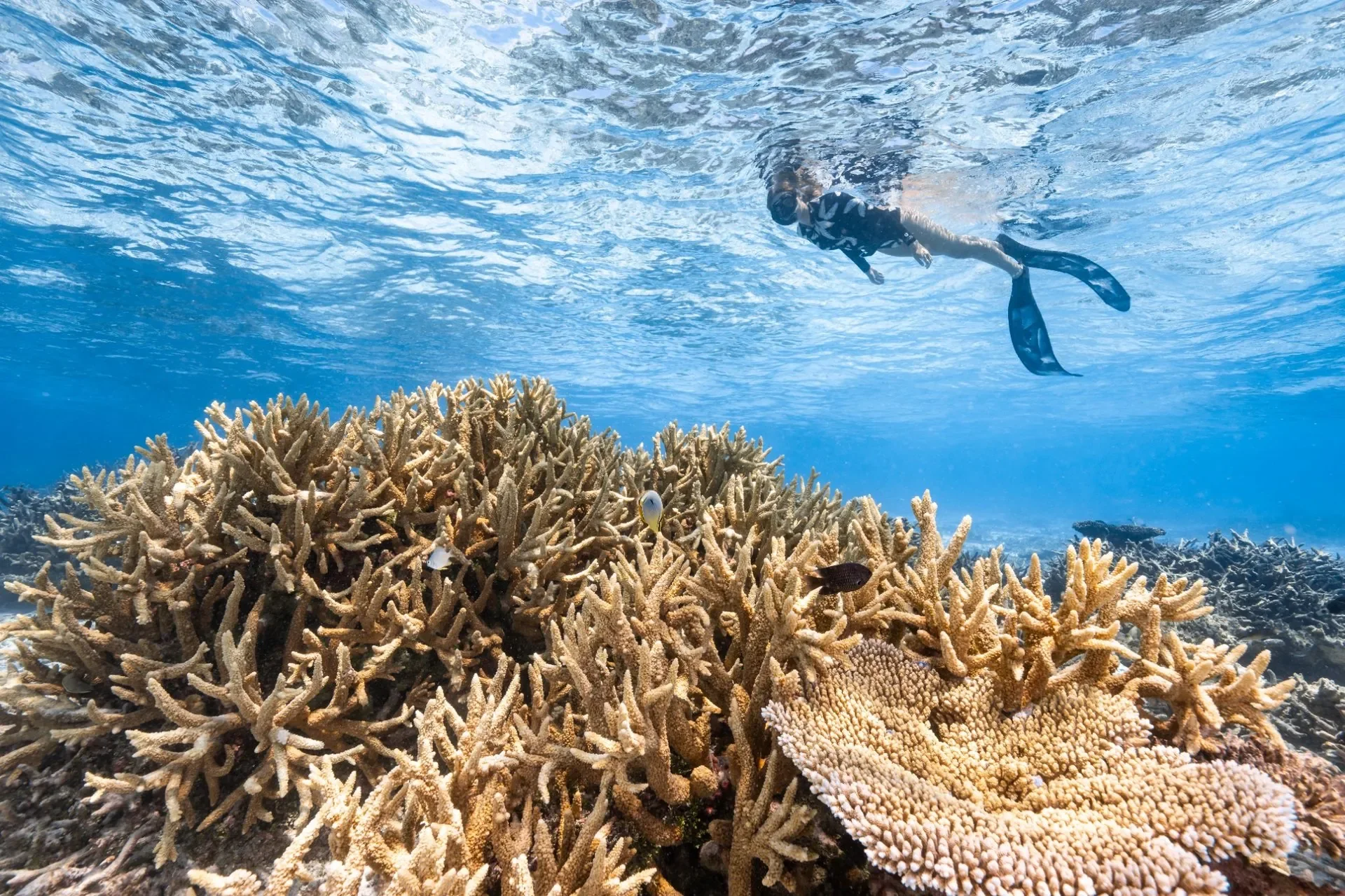
Huvadhu Atoll Snorkeling
Huvadhu Atoll snorkeling reveals a Maldives that still feels wild, with uncrowded lagoons, clear water, and coral gardens stretching away beneath you in every direction. As the country’s deepest and least developed atoll, Huvadhu shelters more uninhabited islands and thriving reefs than anywhere else in the archipelago, creating rare conditions for relaxed, wildlife rich time in the water. Here, you can slip into the sea from a quiet beach or house reef and find yourself drifting above reef sharks, turtles, and swirling shoals of fish with no other boats in sight. For many guests, Huvadhu Atoll snorkeling becomes less about ticking off species and more about settling into the slow, meditative rhythm of an intact marine ecosystem.
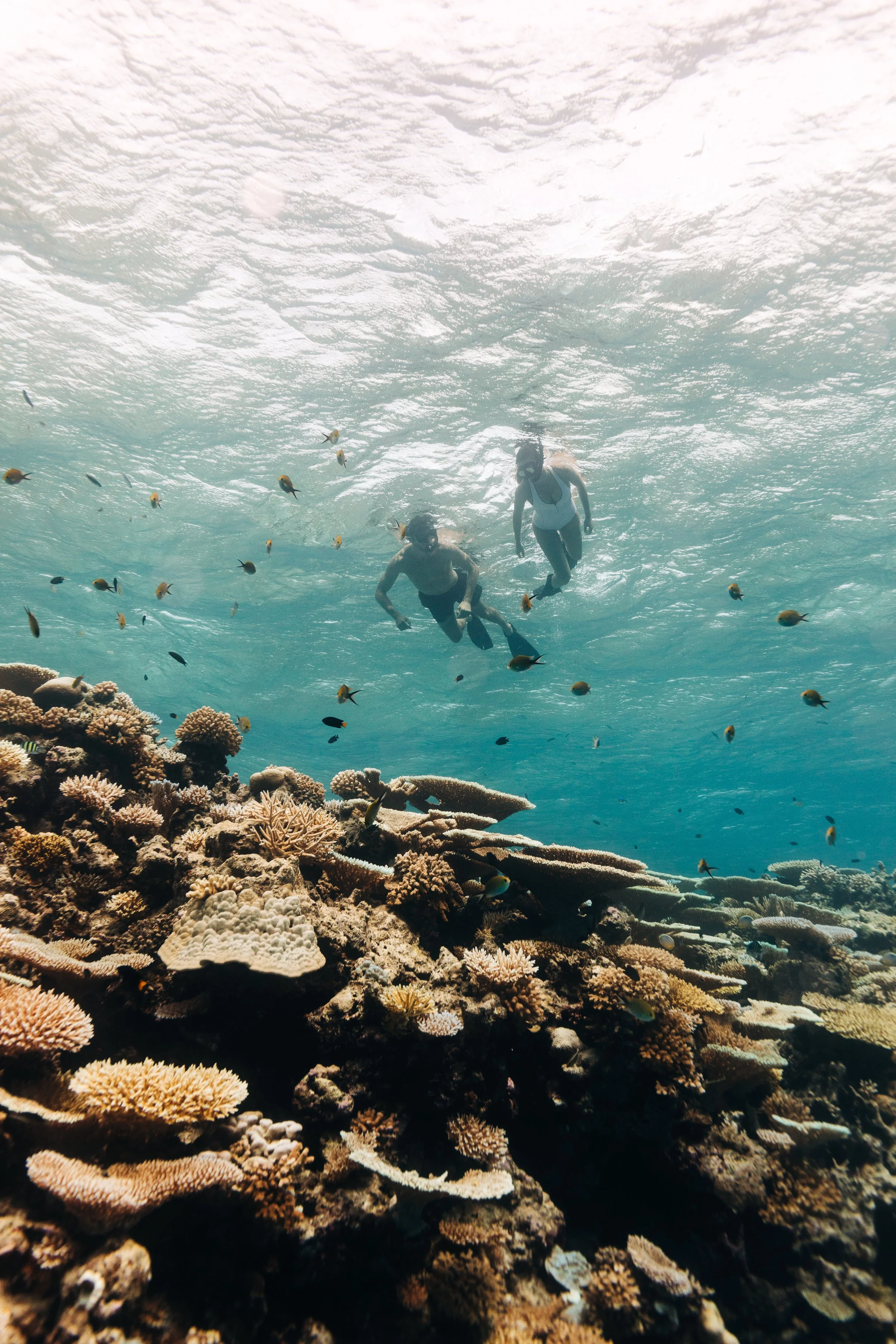
Huvadhu Atoll Snorkeling
Top Rated Spots for Huvadhu Atoll Snorkeling
The atoll’s vast lagoon system is ringed with reefs and channels, giving snorkelers access to everything from shallow coral gardens to reef drop offs where pelagic life passes close to the surface. Around uninhabited islands, gently sloping reefs are carpeted with hard corals, seagrass meadows, and cleaning stations where turtles and reef fish gather within easy fin kicks of the shore.
These conditions shape several standout snorkeling zones across Huvadhu Atoll:
Villingili Kandu Reef Edge
Although best known among divers, the protected reef edges near Villingili Kandu can offer exceptional surface snorkeling in calm conditions. Strong currents bring schooling trevally, reef sharks, and large pelagic fish close to the channel mouth, making this one of the most dynamic snorkeling areas in Huvadhu for confident swimmers with guide support.
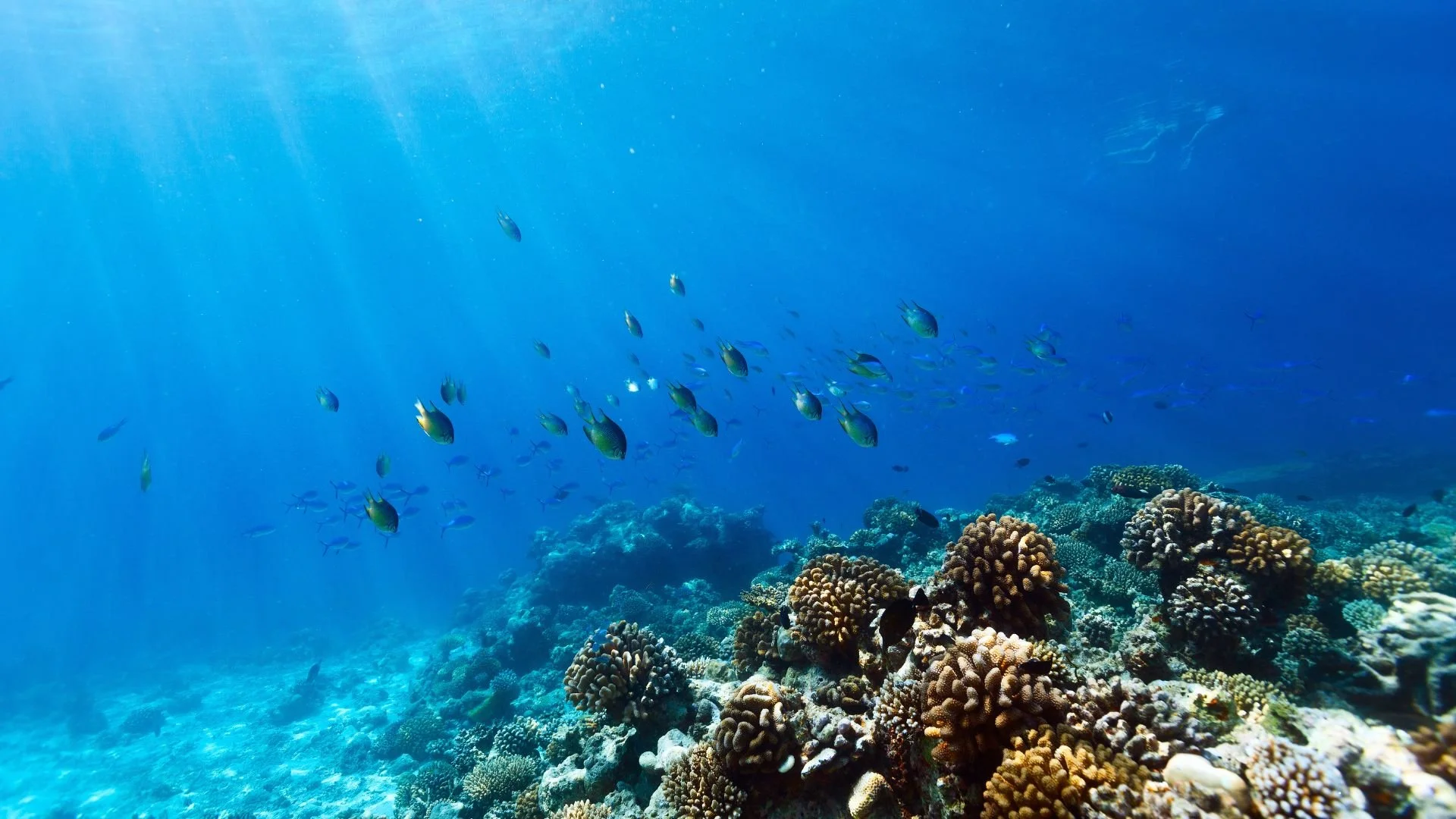
Gaafu Dhaalu Outer Reef Walls
Along the eastern outer rim of Gaafu Dhaalu, shallow coral shelves drop quickly into deep blue water. This combination of reef top and open ocean often attracts hawksbill turtles, blacktip reef sharks, and dense reef fish activity, particularly in the early morning when marine life is most active.
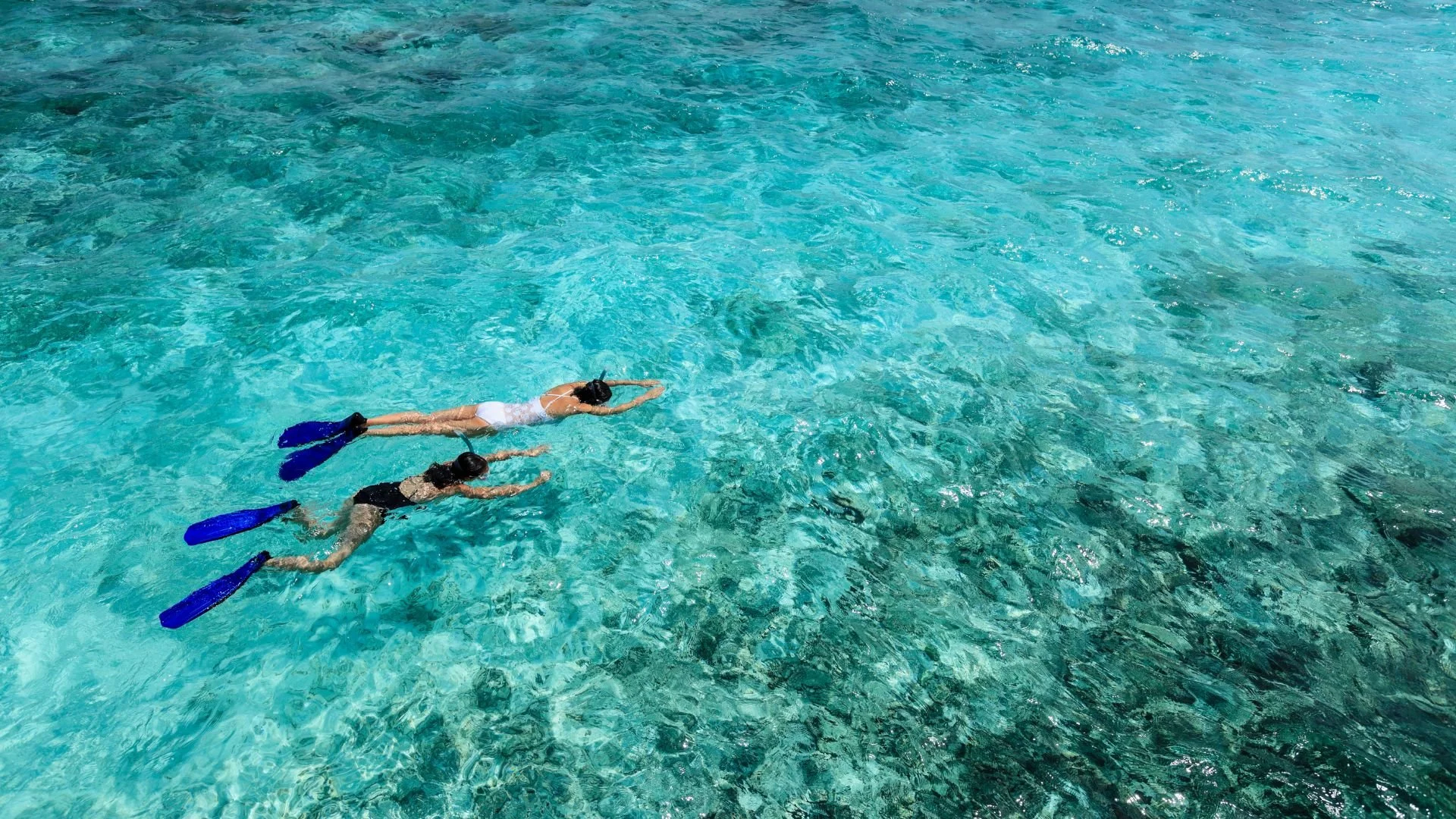
Uninhabited Island Lagoon Reefs
Huvadhu has more uninhabited islands than any other Maldivian atoll, and many are surrounded by gently sloping lagoon reefs. These sites are ideal for relaxed snorkeling above thriving coral gardens, juvenile reef sharks, stingrays, and reef fish nurseries in calm, protected water.
Southern Channel Reef Platforms
Certain southern channel systems connected to Huvadhu’s lagoon allow guided snorkeling along protected reef platforms during favorable sea conditions. These areas can bring larger sharks and passing pelagic species close to the surface without requiring deep diving.
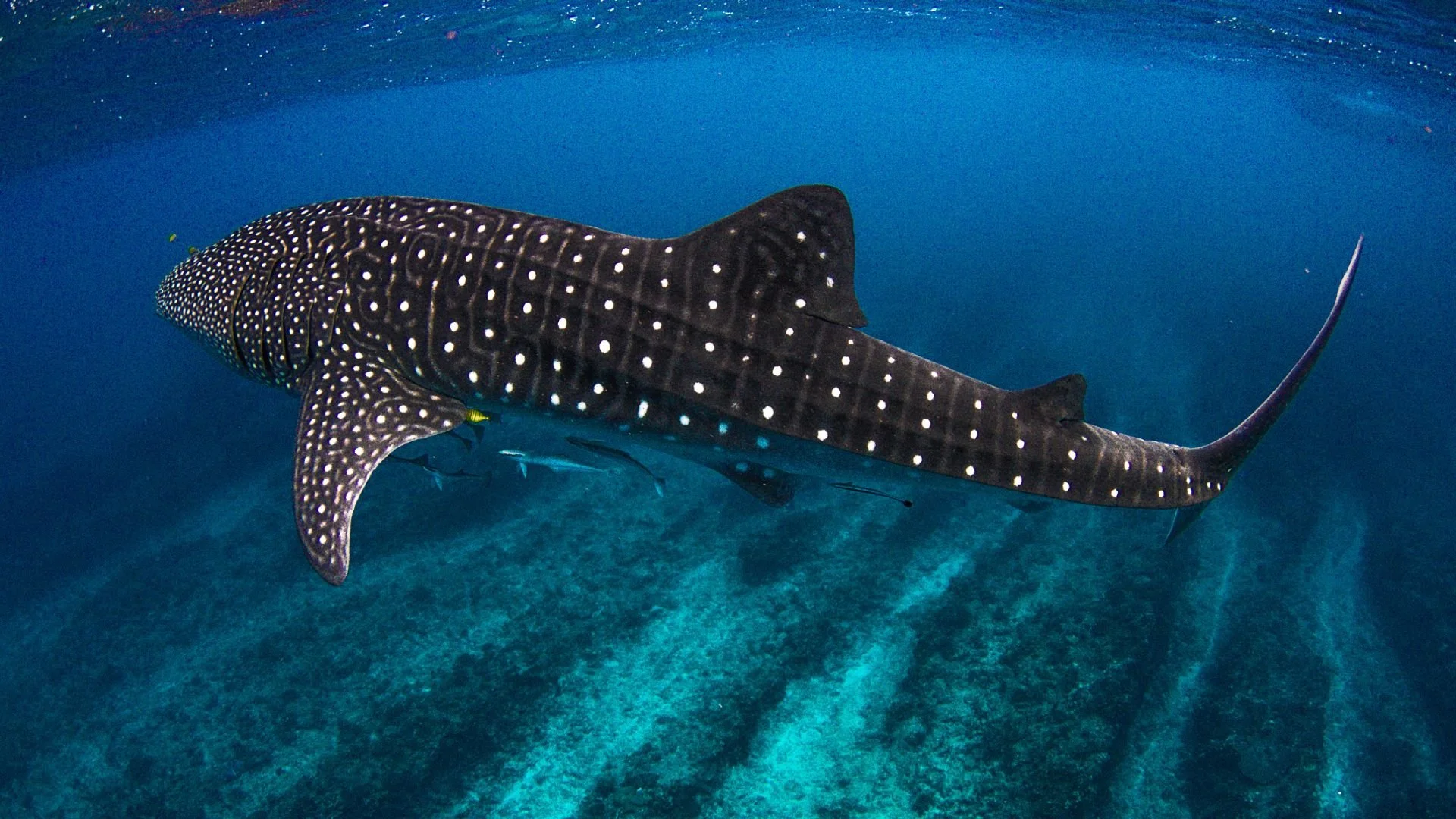
Seasonal Whale Shark Routes (Southern Maldives)
During specific seasonal current shifts, whale shark migration routes may intersect reef edges in the wider southern Maldives. While sightings are never guaranteed, guided safaris occasionally provide strong swimmers with the opportunity to enter open water alongside these gentle giants.
Because tourism here remains limited, even the best coral reefs in this part of the Maldives feel remarkably quiet, preserving a sense of discovery with every swim.
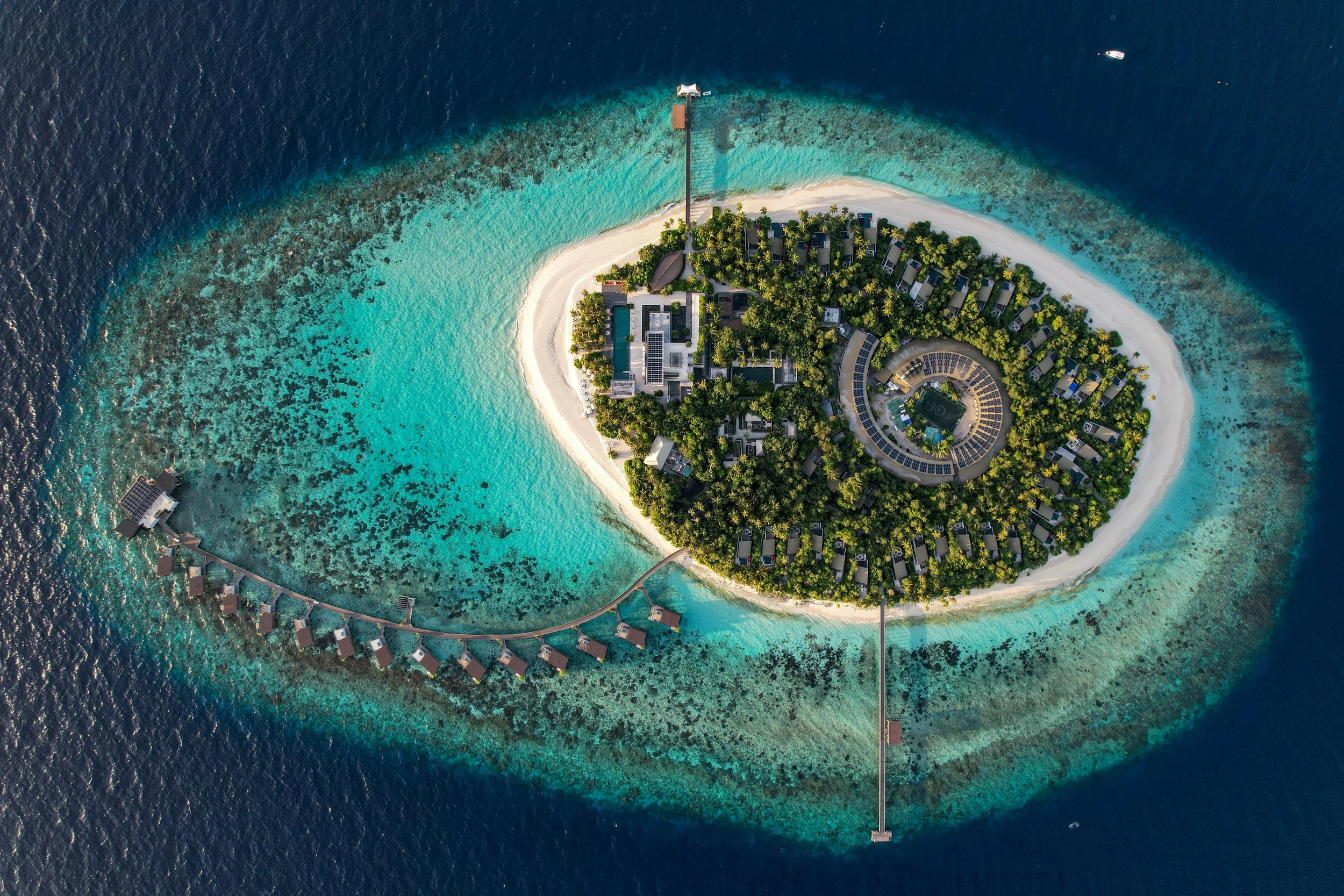
Park Hyatt Maldives Hadahaa House Reef
Exploring the House Reefs: What to Expect
Resorts such as Park Hyatt Hadahaa sit directly on some of Huvadhu’s most impressive house reefs, with near vertical walls and 360degree coral coverage wrapping around the island. From the beach or jetty, guests can enter the water and move from shallow sandy shelves into rich reef life within a few strokes, often accompanied by curious reef fish and the occasional blacktip shark cruising the edge.
Because many house reefs drop quickly into deep water, visibility can be excellent, and it is common to glimpse rays, larger sharks, or passing dolphins from the surface. Guided sessions led by marine biologists turn each snorkel into a moving classroom, with gentle explanations of coral health, fish behaviour, and the regenerative projects underway to keep these ecosystems thriving. For those new to snorkeling Huvadhu, this blend of comfort, safety, and immersion makes the house reef an ideal first encounter with the atoll’s underwater world.
Essential Tips for a Safe Huvadhu Atoll Snorkeling Adventure
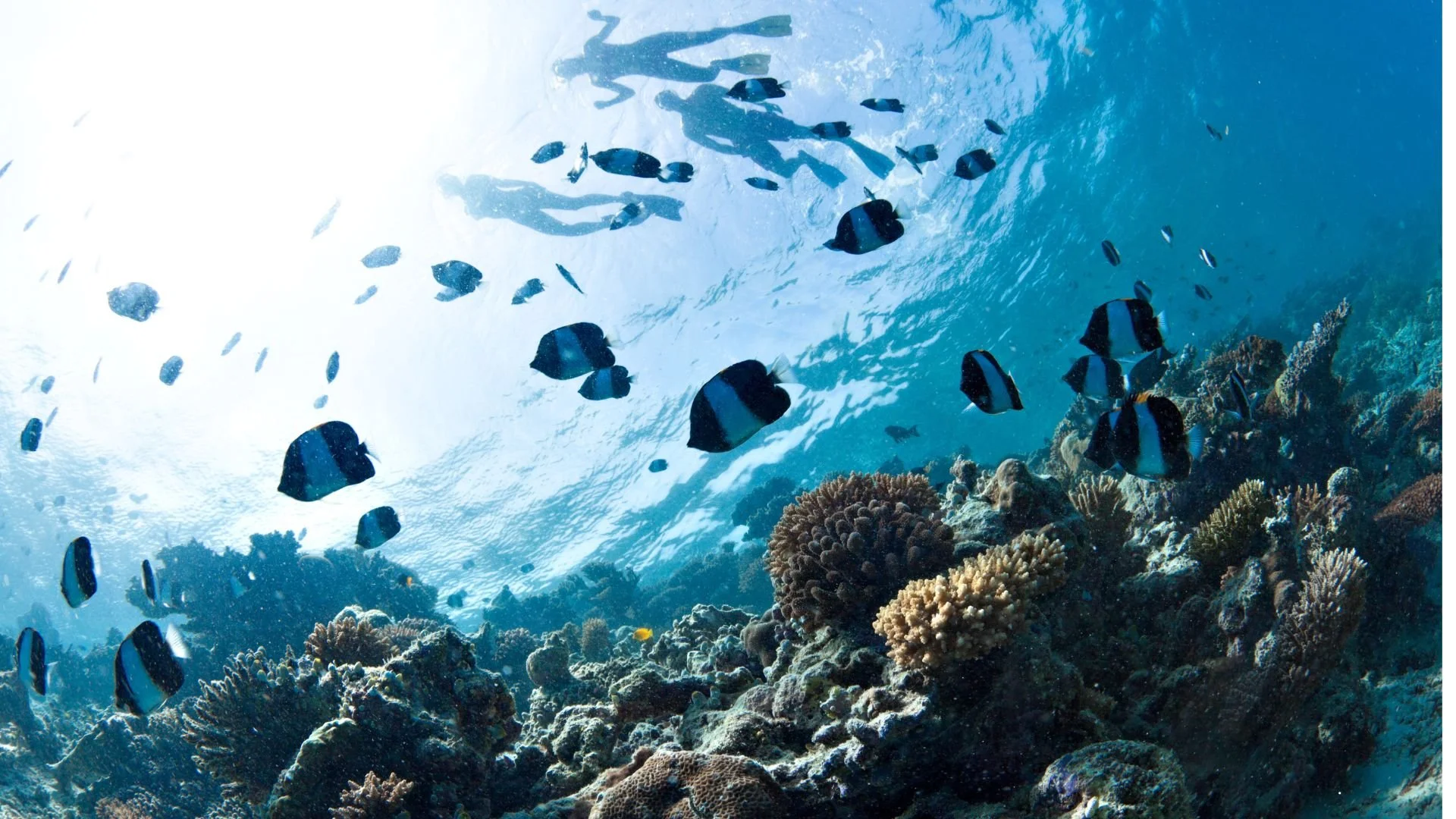
Safety sits at the heart of marine operations in Huvadhu, with detailed procedures covering equipment checks, briefings, and emergency response on every outing. Before entering the water, guests are introduced to current patterns, entry and exit points, and simple signals to use with guides, helping even nervous snorkelers feel at ease.
Sun protection and reef safe habits are equally important in this fragile sanctuary: long sleeve swimwear, mineral sunscreen, and a respectful distance from corals and turtles all help keep the ecosystem intact. Many excursions also invite guests to participate in light touch citizen science, from fish counts to photo monitoring, turning a day of snorkeling into a small act of stewardship for the atoll. Choosing guided experiences, staying within your comfort zone, and listening closely to your team ensures that Huvadhu Atoll snorkeling stays both exhilarating and reassuringly calm.
A Gentle Call to Explore
Snorkeling in Huvadhu Atoll offers a rare chance to float above some of the Maldives’ most pristine coral systems while sharing the water with sharks, turtles, and, in season, passing whale sharks. In this remote southern atoll, every quiet reef and starlit crossing reinforces the feeling of visiting a marine environment that still has time to be protected. For travelers drawn to slow, meaningful encounters with the sea, Huvadhu Atoll snorkeling invites you to linger, learn, and become part of the story of the Maldives’ last great wild place.
Huvadhu Atoll map: every dive site, surf break, resort and local island in one place.